Pic Credit: Pexel
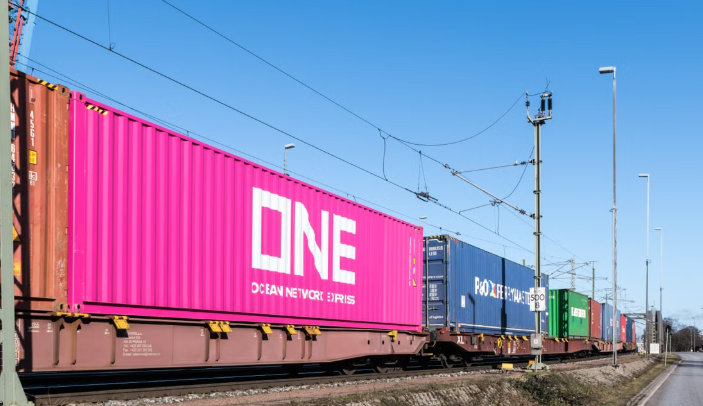
New Delhi, Aug 6: In a major reform aimed at simplifying rail freight operations and encouraging greater private sector participation, the Ministry of Railways has approved a single all-India licence for Container Train Operators (CTOs), replacing the existing route-wise licensing system with a unified national framework.
The decision, which will come into effect through a Gazette notification, allows eligible operators to run container trains across the entire Indian Railways network under a single licence on payment of a uniform, non-refundable registration fee of Rs 25 crore.
The move marks a significant shift from the earlier system, under which operators were required to obtain route-specific licences with varying registration fees depending on the category of routes. The new framework is expected to simplify approvals, reduce compliance requirements and provide operators with greater operational flexibility.
As part of the reforms, the Ministry has also approved the extension of concession agreements by 20 years after the expiry of the initial licence period, subject to satisfactory performance and approval by the competent authority. No extension fee will be charged for the renewal or any subsequent extensions, providing long-term policy certainty for operators.
Existing licence holders will continue under their current concession agreements until the end of their respective terms. Operators holding Category I licences will be eligible for renewal under the new framework without paying any additional fee. Operators in Categories II, III and IV will be required to pay Rs 15 crore—the difference between the new uniform registration fee of Rs 25 crore and the Rs 10 crore already paid—at the time of renewal or if they choose to migrate to the new licensing regime before the expiry of their existing concessions.
The simplified licensing framework is expected to improve the ease of doing business for container train operators by reducing regulatory complexity and lowering long-term compliance costs. It is also expected to attract fresh private investment in rail freight, expand container train services and strengthen multimodal logistics across the country.
Industry is expected to benefit from improved rail connectivity, faster cargo movement and more competitive logistics costs, particularly for manufacturers, exporters and micro, small and medium enterprises (MSMEs). The reforms are also expected to support the government's efforts to increase rail's share in freight transportation by making container train operations more efficient and commercially viable.
By encouraging a greater shift of container traffic from road to rail, the initiative is expected to ease highway congestion, reduce fuel consumption and lower carbon emissions, reinforcing India's commitment to developing a more sustainable and efficient freight transportation system.
The reforms form part of Indian Railways' broader strategy to modernise the country's logistics ecosystem through simplified regulations, enhanced private participation and a unified policy framework for freight operators.