
New Delhi, Nov 1: Prime Minister Narendra Modi has highlighted what he described as a historic achievement in India's poverty reduction journey, citing findings from the World Bank's latest report that show a significant decline in extreme poverty over the past decade.
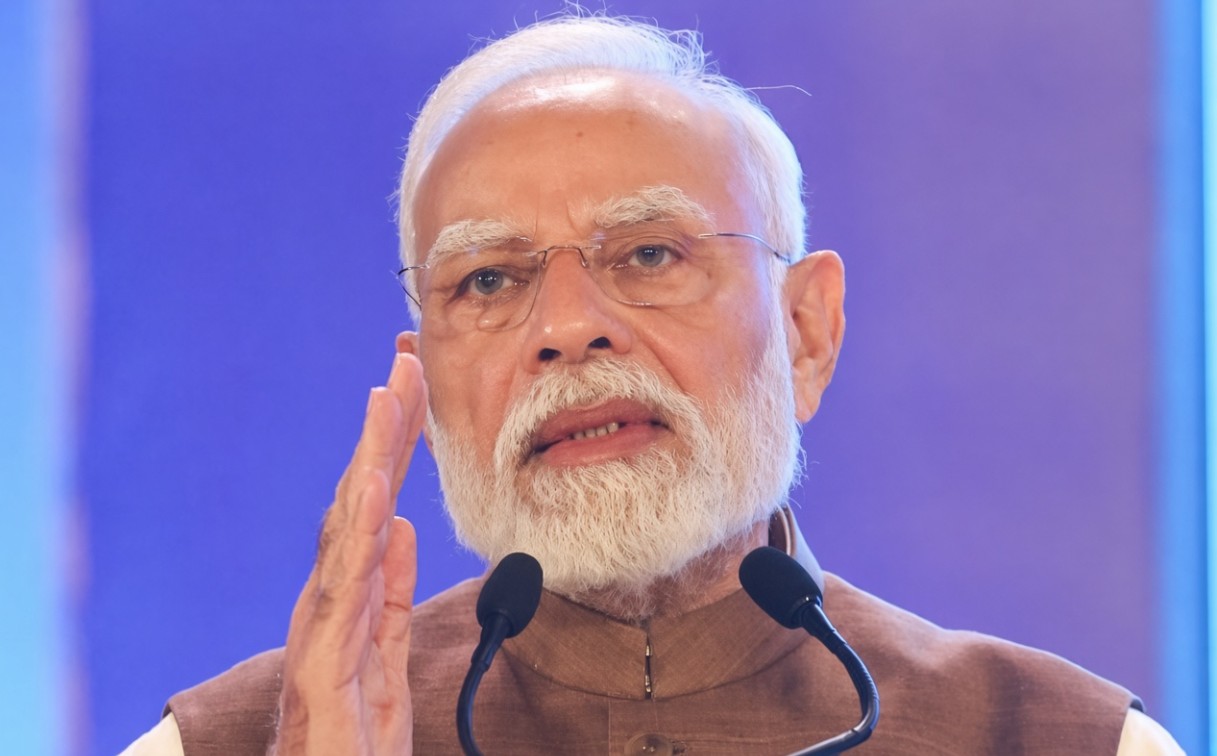
Sharing key findings from the World Bank's India Poverty and Equity Brief: October 2026 on Instagram, the Prime Minister underscored the country's progress in improving living standards and expanding economic opportunities.
“A historic fall in poverty. A generational rise in opportunity,” Modi wrote alongside a carousel of data and messages highlighting the government's poverty alleviation efforts.
One of the slides featured the message, “‘Gareebi Hatao’ was never a slogan for us. It is our commitment,” emphasising the government's stated resolve to address poverty through welfare programmes and sustained development initiatives.
Extreme Poverty Falls to 2.6 Per Cent
According to the World Bank assessment, India's extreme poverty rate dropped sharply from 27.1 per cent in 2011 to 2.6 per cent in 2023.
The report also estimates that around 496 million people moved out of poverty during the period under the broader lower-middle-income poverty threshold.
The assessment measures extreme poverty using a benchmark of $3 per person per day, while the lower-middle-income poverty line is set at $4.20 per person per day. Both thresholds are calculated using 2021 Purchasing Power Parity (PPP).
The World Bank noted that India has made substantial progress in reducing poverty across both monetary and non-monetary indicators over the last decade, placing the country among those recording some of the fastest improvements globally.
Welfare Initiatives and Development in Focus
The findings point towards improvements in living conditions and access to essential services, reflecting the impact of economic development and poverty alleviation measures.
The Prime Minister's remarks place renewed emphasis on the government's development agenda, which focuses on improving access to basic amenities, strengthening social security and creating greater economic opportunities for vulnerable sections of society.
However, despite the substantial decline in poverty, challenges such as income inequality, employment generation and wage disparities continue to require attention.
The latest World Bank assessment offers an important picture of India's progress while highlighting the continuing need for inclusive growth, sustainable livelihoods and equitable access to economic opportunities.