
Water is fundamental to human life and plays a vital role in maintaining overall health. Comprising over 60% of the human body, it is essential for nearly every physiological function, including regulating body temperature, transporting nutrients, and removing waste. Proper hydration supports physical performance, cognitive function, and long-term well-being.
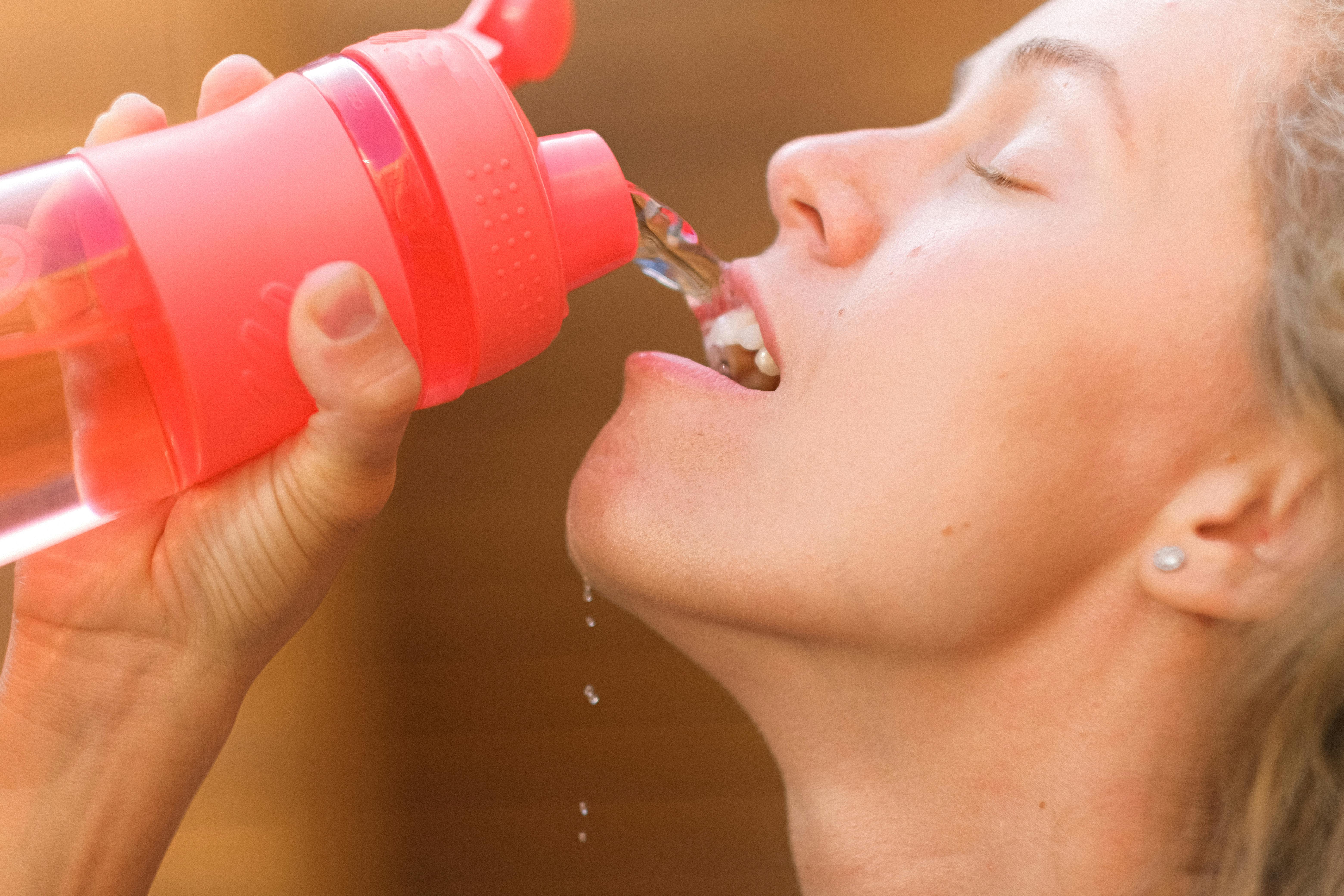
Why Hydration Matters
Staying adequately hydrated is crucial for both physical and mental health. Water helps maintain joint lubrication, supports cardiovascular function by regulating blood volume, and aids in digestion and nutrient absorption. It also enhances concentration, alertness, and energy levels. In growing urban areas, ensuring water safety through drinking water testing Bhubaneswar services is becoming increasingly important for maintaining good health.
Insufficient water intake can lead to dehydration, which may cause symptoms such as fatigue, headaches, dizziness, and reduced physical performance. Chronic dehydration may contribute to more serious conditions, including kidney stones and urinary tract infections. Therefore, making hydration a daily priority is essential, along with verifying water quality through reliable solutions.
Although individual needs vary depending on factors like age, climate, and activity level, adults are generally advised to consume around 2–3 liters of water per day, including fluids from food and beverages. Ensuring that this water is clean and safe through proper drinking water testing practices further supports overall well-being.
Types of Drinking Water
Understanding different types of drinking water helps in making informed and healthy choices:
- Tap Water: Sourced from municipal systems and treated with disinfectants like chlorine. Its quality depends on local infrastructure and regulations.
- Bottled Water: Includes purified, mineral, and spring water. While often perceived as safer, it may sometimes originate from the same sources as tap water.
- Spring Water: Collected from underground sources and contains natural minerals that enhance taste.
- Distilled Water: Produced by boiling and condensing water to remove impurities. While very pure, it lacks essential minerals.
Each type has advantages and limitations, so selecting the right option depends on personal preference and local water quality.
Water Contaminants and Safety
Clean drinking water is essential, but it can be affected by various contaminants:
- Microorganisms: Bacteria like E. coli can cause serious illnesses.
- Chemicals: Pesticides and industrial waste may enter water supplies and pose long-term health risks.
- Heavy Metals: Lead, arsenic, and mercury can accumulate in the body and lead to chronic health issues.
To protect public health, regulatory bodies establish safety standards and conduct regular testing to ensure water quality remains within safe limits.
Water Filtration and Purification Methods
Different purification methods can improve water safety:
- Reverse Osmosis (RO): Removes up to 99% of contaminants but may waste water.
- Activated Carbon Filters: Improve taste and remove chlorine and some chemicals.
- UV Treatment: Effectively kills bacteria and viruses without chemicals.
- Distillation: Eliminates impurities but also removes beneficial minerals.
- Ceramic Filters: Remove bacteria and sediments through physical filtration.
Often, combining methods provides the best results depending on the type of contamination.
How Much Water Do You Need?
Hydration needs vary based on several factors:
- Age: Children and older adults require special attention to hydration.
- Body Weight: Larger individuals typically need more water.
- Activity Level: Physical exertion increases fluid loss through sweat.
- Climate: Hot and humid environments raise hydration requirements.
Common signs of dehydration include dry mouth, dark urine, fatigue, and dizziness. Listening to your body and drinking when thirsty is a practical approach.
Common Myths About Drinking Water
Several misconceptions can mislead people:
- “8 glasses a day” rule: Hydration needs differ from person to person.
- Bottled water is always better: Tap water is often equally safe and more economical.
- Flavored water is always healthy: Some contain added sugars and artificial ingredients.
Understanding these myths helps individuals make more informed hydration choices.
The Role of Minerals in Water
Minerals such as calcium and magnesium found in water contribute to health benefits:
- Calcium: Supports bone strength and muscle function.
- Magnesium: Aids in energy production and heart health.
Mineral-rich water can enhance nutrient intake and support overall wellness, especially when dietary intake is insufficient.
The Global Water Crisis
Access to clean drinking water remains a major global challenge. Billions of people lack safe water due to pollution, poor infrastructure, and climate change. Contaminated water contributes to widespread disease, especially in developing regions.
Solutions include:
- Sustainable water management practices
- Investment in purification technologies
- Rainwater harvesting and conservation efforts
- International cooperation and policy initiatives
Addressing these challenges is essential for global health and sustainability.
Tips for Safe Hydration
To ensure safe and effective hydration:
- Choose reliable and tested water sources
- Use appropriate filtration systems if needed
- Stay informed about local water quality
- Carry a reusable water bottle as a reminder to drink regularly
- Adjust water intake based on activity level and climate
Conclusion
Water is indispensable for life and health. Understanding its importance, sources, and safety measures empowers individuals to make better hydration choices. By adopting mindful drinking habits and ensuring water quality, you can support your body’s optimal functioning and long-term well-being.