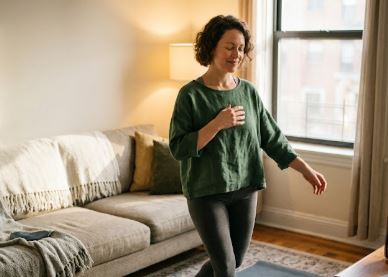
Meditation is usually pictured as a quiet practice—sitting comfortably, closing the eyes and concentrating on the breath. But finding calm does not always require sitting still. For many people, dance can become a form of moving meditation, offering a refreshing way to relax the mind, release physical tension and reconnect with the present moment.
In a busy lifestyle filled with work pressure, social media, notifications and endless responsibilities, the mind rarely gets a chance to pause. Dance can create that pause through something as simple as music and movement. It does not require professional training, complicated choreography or a stage. Sometimes, moving freely to a favourite song can be enough to create a sense of emotional and mental space.
When Movement Becomes Mindfulness
Mindfulness is essentially about paying attention to what is happening in the present moment. Dance can naturally encourage this kind of awareness.
As the music begins, attention shifts towards the rhythm, footsteps, breathing and movement of the body. Instead of thinking constantly about unfinished work or future responsibilities, a person becomes more engaged with what is happening right now.
The movement does not have to be complicated. Gentle swaying, stretching, walking to the rhythm or moving the arms can all become mindful activities when the focus is on how the body feels.
For people who find it difficult to sit quietly for long periods, moving meditation may feel more comfortable and natural.
A Break From Everyday Stress
Modern life often keeps people mentally occupied throughout the day. Emails, deadlines, household responsibilities and digital distractions can make it difficult to completely switch off.
Dance provides an opportunity to step away from that routine, even if only for a few minutes. Listening to music and following its rhythm can redirect attention away from repetitive thoughts.
This does not mean that dancing removes the causes of stress. Instead, it creates a temporary space where the mind can focus on music and movement rather than constantly processing daily demands.
An evening dance session can also become a useful transition between work and personal time, helping create a clear break before relaxing or going to bed.
Releasing Tension Through Movement
Stress can affect the body as much as the mind. Long hours at a desk or in front of a screen can leave the shoulders, neck and back feeling stiff.
Gentle dancing encourages the body to move in different directions. Stretching, swaying and rhythmic movements can help people become more aware of areas where they are holding tension.
The goal is not an intense workout. A slow and comfortable movement routine can be equally valuable for someone looking for relaxation.
An Outlet for Emotions
Music and dance can also provide a non-verbal form of emotional expression. People often choose different types of music depending on their mood, and their movements may naturally change along with it.
Someone feeling energetic may prefer an upbeat song, while someone looking to unwind may choose slower music. Allowing the body to respond naturally can provide a healthy outlet for emotions.
There is also freedom in dancing alone. Without an audience or expectation to perform, people can move without worrying about whether they look graceful or follow the correct steps.
Creating a Simple Moving Meditation Routine
Turning dance into a relaxation ritual does not require a large space or special equipment. Choose a comfortable area, play a favourite song and begin with a few slow breaths. Gradually allow the body to move with the rhythm.
For a few minutes, focus on the music, breathing and physical sensations. Try not to judge the movements or think about whether they are correct.
When the music ends, take a moment to stand or sit quietly and notice how the body feels.
This simple routine can follow a rhythm of move, breathe, notice and slow down.
Finding Peace in Motion
Dance and meditation may appear different, but both can encourage people to become more present. For some, stillness creates calm. For others, movement makes it easier to quiet the mental noise.
The important thing is finding a practice that feels sustainable and enjoyable.
Dance does not have to be about performance. It can simply be a few minutes of movement that allow the body to loosen, the mind to pause and attention to return to the present.
Sometimes, relaxation does not begin with sitting in silence. It can begin with turning on a song, moving freely and giving yourself permission to simply be in the moment.