
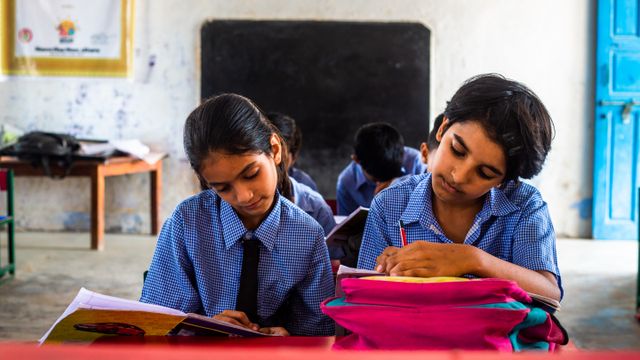
India’s private education sector is growing as parents increasingly invest in their children’s academic development, English-language skills and future career opportunities. From private schools and coaching centres to online learning platforms, the education industry is expanding to meet the expectations of families seeking better learning experiences. However, rising school fees, additional coaching expenses and differences in educational access are putting pressure on household budgets and raising important questions about the affordability of quality education.
The changing education landscape also presents significant business opportunities. Schools, education technology companies, publishers, tutoring services and skill-development providers are finding new ways to serve students. Yet, the real measure of progress is not simply the number of private schools or the amount families spend. It is whether children receive meaningful learning opportunities, develop practical skills and gain access to a better future, regardless of their family’s financial position.
Private School Enrollment Reflects Changing Parental Aspirations
For many Indian parents, choosing a school is one of the most important financial and personal decisions they make. They want their children to receive a strong academic foundation, communicate confidently, become familiar with technology and develop the skills needed to succeed in a competitive job market.
Private schools have gained popularity in many urban and semi-urban communities because of their English-medium instruction, extracurricular activities, digital facilities and varied curricula. This demand has created a diverse market, ranging from affordable neighbourhood schools to premium institutions offering specialised educational programmes.
However, the quality of education differs significantly between individual schools. A school with impressive buildings and modern facilities may not necessarily deliver better learning outcomes than an institution with experienced teachers and effective classroom practices.
Parents are therefore becoming increasingly concerned about what their children actually learn, rather than relying entirely on a school's reputation or fee structure. For education providers, this shift creates an opportunity to build trust through better teaching, individual attention and transparent communication with families.
Rising School Fees Increase the Financial Burden on Families
One of the biggest challenges associated with private education in India is the total cost of educating a child. Tuition fees are only one part of the expense. Parents must also budget for uniforms, books, transportation, examination charges, extracurricular activities and, in many cases, private coaching.
These costs can put considerable pressure on middle-income households, particularly when more than one child attends school. Families may have to reduce discretionary spending, use savings or postpone other financial goals to manage education expenses.
The financial burden varies widely. Low-fee private schools serve families with limited budgets, while premium institutions in metropolitan areas can charge several lakh rupees annually. This difference highlights how access to educational choices is often shaped by household income.
Rising education expenditure also has wider economic implications. When families spend more on school fees and coaching, they may have less money available for retail purchases, travel, entertainment and other services. At the same time, education spending supports jobs and business activity across teaching, transportation, publishing, technology and school administration.
Greater transparency in school fee structures can help families plan their finances. Clear information about compulsory charges, optional services and proposed fee increases would make it easier for parents to compare institutions and avoid unexpected expenses.
Government School Access Remains Important for Educational Equality
Private education is only one part of India's education system. Government schools continue to play a vital role in providing affordable education, particularly for rural households and economically disadvantaged communities.
School mergers and closures in some areas have raised concerns about accessibility, especially when children must travel longer distances to reach the nearest institution. Although consolidation may help authorities manage resources in schools with very low enrollment, the consequences for students need careful consideration.
Longer journeys can increase transportation costs, affect attendance and create safety concerns for children. Girls, students with disabilities and families living in remote villages may face additional difficulties.
A strong public education network is therefore essential to ensuring that every child has a fair opportunity to learn. Investment in school infrastructure, teacher availability, safe transportation and classroom resources can improve access while reducing the pressure on families to choose private institutions simply because nearby government schools are inadequate.
Coaching Centres and EdTech Create New Business Opportunities
The growing demand for supplementary learning has helped expand India's coaching and educational technology markets. Students increasingly use tutoring services, competitive-examination preparation courses, online classes and digital learning applications to strengthen their academic performance.
Technology has made educational content more accessible. Recorded lectures, interactive exercises and online assessments allow students to learn at their own pace, while regional-language content can help reach learners who face language barriers.
For businesses, opportunities exist in affordable learning subscriptions, teacher-support platforms, digital assessment tools, vocational training and specialised examination preparation. Schools can also use technology to improve administration, communicate with parents and monitor student progress.
However, the growing dependence on coaching can create an uneven learning environment. Children whose families can afford private tutors and additional courses may receive more academic support than those who rely entirely on classroom teaching.
The priority should be to make regular classroom instruction effective enough to give every student a strong foundation. Digital platforms and coaching services should complement school education rather than become essential expenses that widen the gap between higher-income and lower-income households.
Learning Outcomes Matter More Than Expensive Facilities
Parents naturally want the best possible education for their children, but higher fees do not automatically translate into stronger academic performance. Effective teaching, regular feedback, classroom participation and individual academic support are often more important than expensive facilities alone.
Differences in learning outcomes between private and government schools must also be understood in context. Family income, parental education, access to books and additional tutoring can influence a child's performance alongside the quality of teaching.
The focus should be on foundational literacy, numeracy, critical thinking and problem-solving. Students who develop these skills early are better prepared to understand more advanced subjects and adapt to changing employment requirements.
Schools can improve learning by identifying academic gaps early, providing additional support and encouraging teachers to adopt student-centred approaches. Education companies can contribute by offering tools that measure progress and help educators understand where students need assistance.
For parents, meaningful indicators of quality include teacher qualifications, classroom engagement, student progress, school safety and the availability of academic support. These factors provide a more reliable basis for choosing a school than reputation or fees alone.
Teacher Salaries and Training Are Central to Education Quality
Teachers have a direct influence on students' learning experiences, but their working conditions vary significantly across India's education sector.
Some low-fee private schools operate with limited budgets and struggle to offer competitive salaries, retain experienced staff or invest adequately in professional development. High teacher turnover can disrupt learning and make it difficult for schools to maintain consistent academic standards.
At the same time, improving teacher compensation requires sustainable financial planning. Schools must find ways to support teachers fairly without making education unaffordable for families.
Investment in training, mentoring, classroom resources and career development can help improve teaching effectiveness. Better-supported teachers are more likely to provide consistent instruction, identify learning difficulties and help students develop confidence.
For school operators, teacher development should be treated as a long-term investment in quality and reputation. For policymakers, creating sustainable arrangements that support both teachers and affordable education remains an important priority.
India’s Education Sector Offers Long-Term Growth Potential
India's education industry presents opportunities across private schooling, digital learning, publishing, vocational education, assessment services and professional training. Demand for technology-enabled learning and employment-oriented skills is encouraging businesses to develop new services for students and institutions.
Affordable digital platforms can extend educational support to underserved communities, while regional-language courses can reach learners who are not adequately served by English-only content. Vocational programmes can also help connect classroom learning with practical workplace requirements.
However, long-term business success depends on more than expanding enrollment or selling more courses. Parents expect educational services to deliver genuine value, while schools need solutions that improve teaching and administrative efficiency.
Providers that combine reasonable pricing, qualified educators, effective learning methods and measurable academic progress can build stronger relationships with families. Responsible data protection and honest communication about course outcomes are equally important, particularly when services are designed for children.
The strongest opportunities will emerge where business growth and educational improvement reinforce each other.
How India Can Make Quality Education More Affordable
India needs an education system that encourages responsible private investment while strengthening public schools. Both sectors have important roles to play in expanding access, improving teaching and preparing students for further education and employment.
Key priorities include:
-
Improve public school quality: Strengthen infrastructure, address teacher vacancies and improve foundational learning.
-
Promote fee transparency: Make tuition, additional charges and annual fee revisions easier for parents to understand.
-
Support teachers: Expand professional training, mentoring and opportunities for career development.
-
Make digital learning accessible: Encourage affordable devices, reliable internet connectivity and regional-language educational content.
-
Strengthen foundational skills: Focus on reading, mathematics, communication and problem-solving from the early years.
-
Expand vocational education: Help students develop practical skills that align with changing industry requirements.
-
Measure actual learning progress: Assess student development rather than judging institutions solely by facilities, enrollment or reputation.
These measures can help reduce educational inequalities while creating a more sustainable environment for schools, families and education businesses.
Conclusion: Building a More Affordable and Inclusive Education System
India’s private education boom reflects the aspirations of parents who see learning as a pathway to better employment, financial security and social mobility. It has also created opportunities for entrepreneurs, teachers, technology companies and service providers across the education ecosystem.
However, rising school fees, additional coaching costs and unequal access to good schools remain significant challenges. Expanding the private education market alone cannot ensure that every child receives a quality education.
A more sustainable approach requires affordable schooling, effective classroom teaching, fair treatment of teachers and a strong public education network. Technology and private investment can support this transformation when they deliver measurable learning benefits and reach students from different economic backgrounds.
The future of India's education sector will depend not only on how much families spend on learning, but on how effectively that investment helps children develop the knowledge, confidence and skills needed to succeed.